
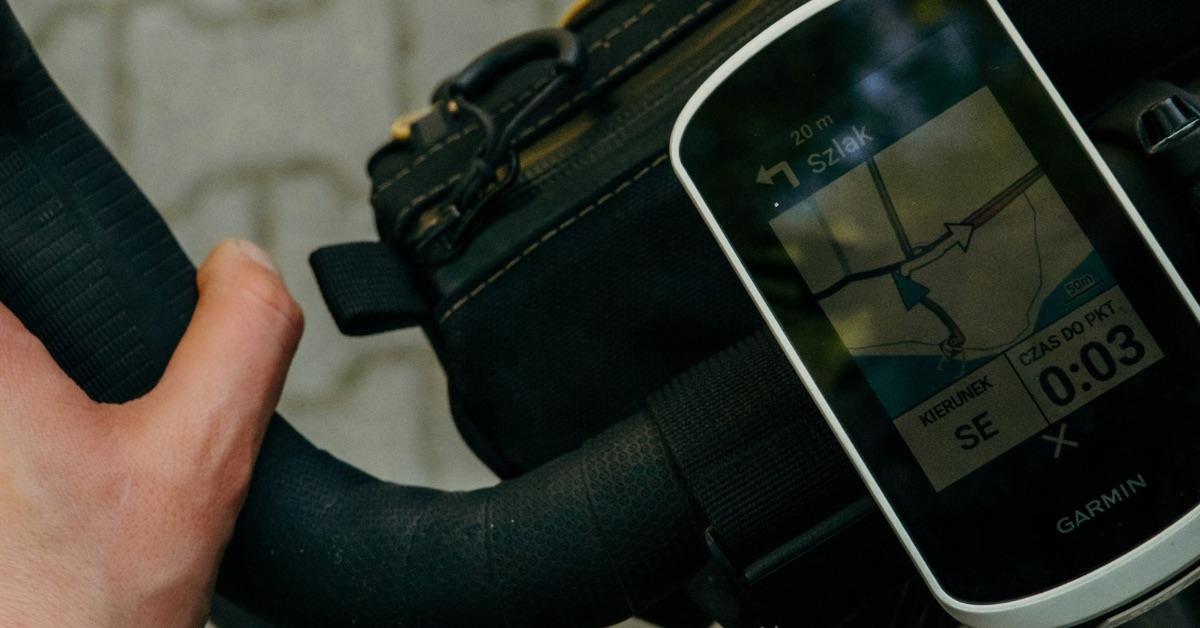
This Garmin Edge comparison for cycling comes down to one answer for most road riders in 2026: buy the Edge 850 if you want a touchscreen, speaker and on-device route building, or the Edge 550 if you are happy with buttons and want to save €100. Buy the Edge 1050 only if you ride unfamiliar roads most weekends and want the biggest map. If you can still find a discounted Edge 540 or 840, they last more than twice as long on a charge as the newer units.
The rest of this guide is the detail behind that answer – screens, battery, the features that matter on a hilly training week, and how we set up the units that go out with Velo Algarve rentals.
Key Takeaways
- The Edge 550 (€449.99) and Edge 850 (€549.99) replaced the 540 and 840 in September 2025. Same 2.7-inch screen; the 850 adds touch, a speaker and route building on the unit.
- The new units trade battery for brightness: a claimed 12 hours versus 26 hours on the 540 and 840.
- The Edge 1050 (€699.99) is the big-screen flagship, with a claimed 20 hours of battery.
- ClimbPro, Varia radar support and GPX course loading work on every model in this guide.
- Velo Algarve offers the Edge 540 for riders in the Garmin ecosystem and a Hammerhead Karoo for everyone else, with curated routes already loaded.
The Current Garmin Edge Lineup in 2026
Garmin’s road range was reshuffled in September 2025 when the Edge 550 and Edge 850 launched. The 540, 840 and their Solar versions are now discontinued, though some retailers are still clearing stock. The Edge 1050 arrived in June 2024 and sits at the top. The table below lists the models a road cyclist is realistically choosing between, with euro launch prices.
| Model | Price | Screen | Controls | Claimed battery |
|---|---|---|---|---|
| Edge 550 (2025) | €449.99 | 2.7in colour LCD, 1,000 nits | Buttons | 12 hrs, 36 hrs saver |
| Edge 850 (2025) | €549.99 | 2.7in colour LCD, 1,000 nits | Touch + buttons | 12 hrs, 36 hrs saver |
| Edge 1050 (2024) | €699.99 | 3.5in colour LCD | Touch + buttons | 20 hrs |
| Edge 540 (2023, discontinued) | Stock only | 2.6in transflective | Buttons | 26 hrs |
| Edge 840 (2023, discontinued) | Stock only | 2.6in transflective | Touch + buttons | 26 hrs |
Prices are Garmin’s euro launch prices; battery figures are Garmin’s claims as reported by BikeRadar’s Garmin Edge buyer’s guide. The older Edge 1040 and 1040 Solar are also still on sale, and the Solar is the one to look at if battery life outranks everything else.
Edge 550 vs Edge 850 – The Choice Most Riders Face
Both units share the same 2.7-inch, 420 x 600 pixel screen, the same 12-hour battery claim and the same training features: ClimbPro, Real-Time Stamina, Power Guide, hazard alerts, GroupRide messaging, fuelling reminders and incident detection. The price gap buys you four things on the 850.
- A touchscreen. Scrolling a map or picking a course by touch is quicker than stepping through menus with buttons.
- A speaker. Audible turn prompts and a digital bell.
- Route building on the unit. Useful when a road is closed and you need a new line home.
- Garmin Pay and 64GB of storage. Tap for coffee without a card in your jersey, and room for maps of half of Europe.
BikeRadar’s Edge 550 review scored it 3.5 out of 5, marking it down for how fiddly the button-only menus make an otherwise capable unit. Cycling Weekly’s Edge 850 review rated it the best mid-sized computer on the market, with battery life the main complaint.
Our take: if you mostly ride courses someone else has built and set your data screens once, the 550 does the job. If you change plans on the road, the 850’s touchscreen and on-device routing earn the extra €100.
Edge 1050 – Who the Flagship Is For
The Edge 1050 is the unit for riders who follow maps rather than data. Its 3.5-inch, 480 x 800 touchscreen shows street names and junctions at a size you can read on a descent without squinting, and the maps separate paved from unpaved roads, which matters in the Algarve interior where a promising lane can turn to gravel above Querença or Salir.
It weighs 161g against roughly 112g for the 850, and costs €150 more. For a rider who does structured training on known loops, that money is better spent elsewhere. For someone planning long unsupported days in unfamiliar country, the screen is the upgrade that counts.
The Battery Question
The biggest change between generations is not a feature. It is battery life. Garmin moved from transflective screens on the 540 and 840 to bright colour LCDs on the 550 and 850, and the claimed runtime dropped from 26 hours to 12. Cyclists Hub measured about 10.3 hours on the 850 in real riding with navigation running.
On a training camp that matters less than it sounds. The long day here is a loop over Fóia, at 902 metres the highest point in the Algarve, and even a big version of that ride keeps most riders well inside eight hours on the bike. Twelve hours covers it with margin, as long as you charge every night. Where the new units fall short is back-to-back days without a plug, or a 200 km audax with the screen at full brightness. For those, a 540, 840 or 1040 Solar is still the better tool.
Features That Matter on a Hilly Training Week
ClimbPro
ClimbPro splits a loaded course into its climbs and shows the gradient, distance and height left on each one. It earns its place on climbs with sharp changes of pitch. Alto do Malhão, a regular finish in the Volta ao Algarve, is 2.6 km at an average of 9.8% with a steepest 100 metres of 15.6%, according to Climbfinder. Knowing exactly where that ramp arrives changes how you ride the first kilometre.
Varia Radar Support
Pair a Garmin Varia rear radar and every Edge in this guide shows a strip down the side of the screen. It stays green when the road behind is clear, then turns amber or red as a vehicle approaches, with a marker climbing the strip as it closes. On the N125 or the coast road into Quarteira, that is the difference between hearing a van late and seeing it early. Garmin is clear that the radar supports your own awareness rather than replacing it.
GroupRide and Hazard Alerts
GroupRide shows riders in your group on the map and lets you send short messages from the unit. For a six-rider camp where someone always drops off the back on the climb to Monchique, it saves the regroup phone call.
How to Load GPX Routes onto a Garmin Edge
Every Edge takes courses the same way, through Garmin Connect. Garmin’s Edge 850 manual sets out the steps.
- Import the GPX file or build a course in the Garmin Connect app or at connect.garmin.com.
- Tap the send icon in the app, or choose Send to Device on the website, and pick your Edge.
- Sync over Bluetooth through the app, or through Garmin Express on a computer.
- On the Edge, go to Navigation, then Courses, pick the course and select Ride.
Strava and Komoot routes can be synced to Connect automatically once the accounts are linked, which saves the export step.
What Goes Out With a Velo Algarve Rental
We pre-load routes on every head unit before it leaves Lagos, so the first ride starts at the door rather than on a phone. The routes come from our own Algarve cycling route library, the same loops we ride ourselves, from the Resort Cruise out of Vilamoura to the climbs above Monchique.
We offer two units. Riders already in the Garmin ecosystem get an Edge 540: buttons that work in full-finger gloves and with wet hands, and a 26-hour battery claim that takes a hard week without anxiety about charging. Riders who use Wahoo, Strava-first set-ups or third-party apps get a Hammerhead Karoo, which is built on Android and open to far more apps and services than a Garmin. Either way, the unit is fitted to the bars at delivery alongside the rest of the Cervélo Soloist and SRAM Force AXS set-up.
If your own Edge is your training log, bring it. The rental unit is there for riders who would rather not pack one, or who want the routes done for them. On our private cycling tours, I carry the route so you can leave the head unit at home.
Frequently Asked Questions
Which Garmin Edge is best for road cycling in 2026?
The Edge 850 is the best all-round Garmin for road cycling in 2026. It pairs a bright 2.7-inch touchscreen with ClimbPro, radar support, a speaker and route building on the unit. The Edge 550 has the same screen and training features with buttons only, for €100 less. Choose the 1050 for bigger maps.
Is the Garmin Edge 550 better than the Edge 540?
Yes for screen, no for battery. The 550 has a brighter colour LCD, more storage and newer features such as fuelling alerts, but its claimed battery life is 12 hours against 26 hours for the 540. For single long days the 550 is better. For multi-day riding without charging, a discounted 540 still wins.
What should you know before choosing a Garmin Edge for a cycling trip?
Battery life is the first thing to check. The current Edge 550 and 850 claim 12 hours, enough for a 150 km mountain day but not two days without charging. Pack the USB-C cable, load your GPX courses through Garmin Connect before you fly, and pair your radar and sensors at home.
Can you rent a Garmin with a road bike in the Algarve?
Yes. Velo Algarve offers a Garmin Edge 540 for riders in the Garmin ecosystem or a Hammerhead Karoo for riders who use other platforms. Both arrive with curated Algarve GPX routes already loaded and are mounted on the bike at delivery, so the first ride can start from your accommodation.
See Our Units
The spec of every bike and head unit is on our bikes page, and what previous riders say about the service is on the reviews page. When your dates are set, book a bike here and tell us Garmin or Hammerhead – we will have the routes loaded before we reach your door.
No Comments