
The Rider’s Library
Sixteen guides. Booking to the last climb.
The bike, the roads, and the country around them. Everything worth knowing before you land.
The Service and Your Bike
Before You Fly
The Riding
Off the Bike
- How to Order Coffee in PortugalYou are here
- How to Shop at a Portuguese Grocery Store
- What to Eat Before a Big Day on the Bike
- Eating for Performance in Portugal
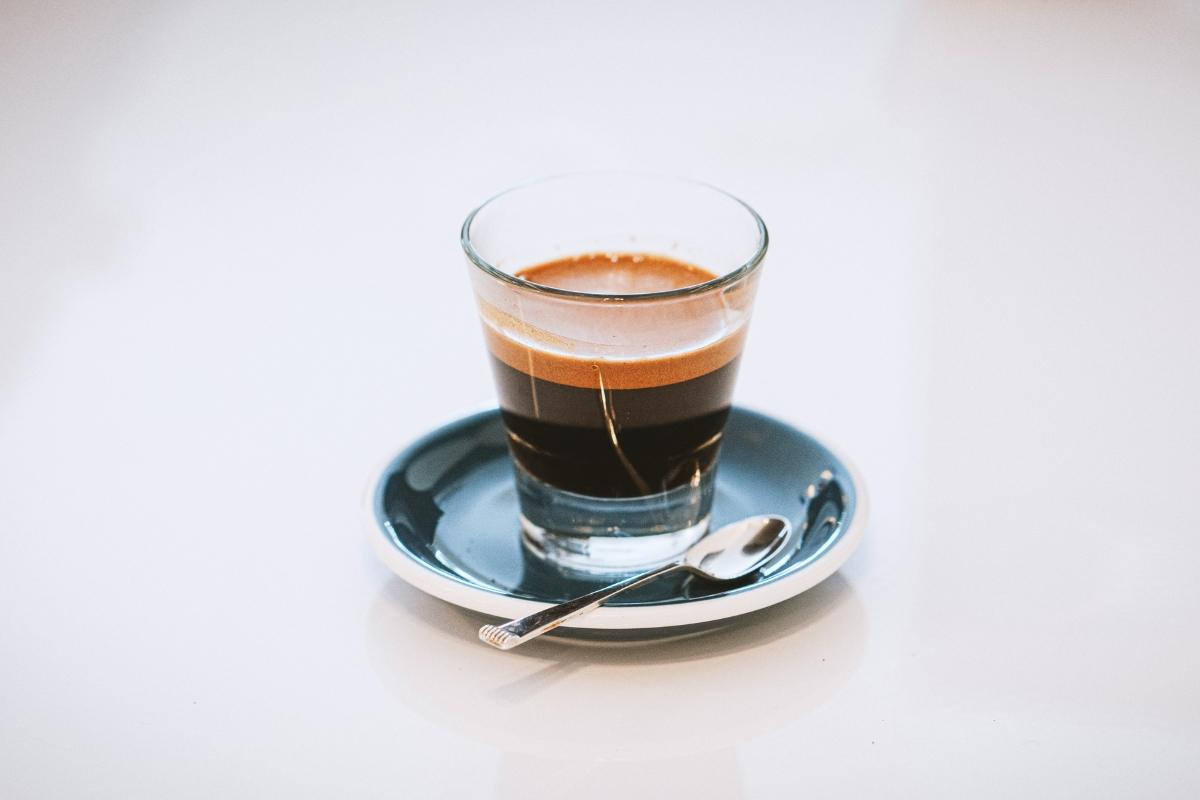
To order coffee in Portugal, ask for “um café” and you will get an espresso, which is what the word means here. If you want something longer, the word is “abatanado”. For coffee with milk, “meia de leite” is half and half in a cup, “um galão” is a quarter coffee to three quarters milk in a tall glass, and “um pingado” is an espresso cut with a little steamed milk, which is the mid-ride order worth learning. A mid-ride stop with a coffee and a pastel de nata typically runs €2.50 to €4 in the Algarve, and plenty of village cafes still prefer cash.
Table of Contents
The Words You Need
- Um café – an espresso. In the south you will also hear uma bica, which is the same thing. This is the default and what you get if you just say coffee.
- Um abatanado – espresso lengthened with hot water, the closest thing to an Americano.
- Uma meia de leite – half coffee, half milk, served in a normal cup. The closest to a flat white.
- Um galão – one part coffee to three parts milk, in a tall glass. The morning drink, usually with toast.
- Um pingado – an espresso with a small amount of steamed milk, in an espresso cup. Close to a cortado but with less milk, so the coffee still leads. This is what Brad orders, and it is the one to ask for mid-ride when a galão is too much and a plain espresso is not enough.
- Um garoto – the same idea with a little more milk, still in the small cup.
- Um café duplo – a double espresso in one cup.
- Um descafeinado – decaf.
Two refinements. An espresso is not normally filled to the top; ask for “um café cheio” if you want it fuller and slightly milder. And a galão can be ordered “escuro” for stronger or “claro” for milkier.
The phrase that carries all of it: “Queria um galão, se faz favor.” Roughly, I would like a galão, please.
What Not to Ask For
Lattes, cappuccinos and flat whites are not traditional here and a village pastelaria may not make them. Asking for a latte in Alte will produce either confusion or something approximating a galão. Use the local word and you get the drink you wanted.
Milky coffees are a morning drink in Portugal. Ordering a galão at four in the afternoon is not an offence, but you will notice you are the only one doing it.
What to Eat With It
Pastel de nata
The obvious one, and good ride fuel. A standard pastel de nata is roughly 20 to 25 grams of carbohydrate in a small package, mostly from the pastry and the custard sugar. Two of them and a coffee is a legitimate mid-ride refuel on a long day, and a good deal more pleasant than a gel.
They are usually €1.20 to €1.80 outside the tourist centres. Ask for cinnamon if you want it, since it is often on the counter rather than pre-dusted.
Torrada
Thick-cut toast with butter, ordered with a galão. The standard Portuguese breakfast and a good pre-ride option if you are starting from a cafe rather than a hotel.
Bolo de arroz and queijada
Rice-flour cake and a small cheese tart respectively. Both travel well in a jersey pocket, which the nata does not.
What a Stop Costs
In a village cafe away from the coastal tourist strips, expect an espresso around €0.80 to €1.20, a galão around €1.50 to €2, and a pastel de nata around €1.20 to €1.80. A coffee and a cake for €2.50 to €3.50 is normal.
On the seafront in Lagos, Albufeira or Vilamoura the same order can be double. This is not a rip-off so much as rent, and the inland village price is one of the small pleasures of riding here.
Cash or Card
Plan for cash on the inland routes.
The larger cafes in the coastal towns take card without issue. The village cafes on the Barrocal roads, in Alte, Alferce and the smaller Monchique stops, are far more variable. Some have a card machine, some have a minimum spend of €5 or €10 which a coffee will not meet, and some are cash only.
Carry €10 to €20 in coins and small notes in a jersey pocket on any inland ride. It is the single most useful thing you can put in there after a phone.
Cafe Etiquette
Portuguese cafe culture is quick and informal. It is entirely normal to drink an espresso standing at the counter and leave in three minutes. It is equally normal to sit outside for an hour.
Order at the counter or from a table, whichever the room seems to be doing. Pay at the end, at the counter, unless someone brings a bill. Tipping is not expected; rounding up or leaving small change is plenty.
Filling water bottles is never a problem if you have bought something. “Pode encher as garrafas, se faz favor” covers it, and where to refill water covers why that matters more inland than you would think.
Where We Actually Stop
Alte’s main square, before the climbing north of the village. Silves, by the castle walls and the Roman bridge. Monchique, the last proper stop before Fóia. Vila do Bispo heading west toward Sagres. All four are on routes we load onto the bikes, and all four are village-priced rather than seafront-priced.
For what to eat around the riding more broadly, eating for performance in Portugal covers dinner, and shopping for a week of riding covers the self-catering side. Portuguese road rules covers getting between them.
Prices move. We re-check these at every review date.
Frequently Asked Questions
How do you order coffee in Portugal?
Ask for “um café” and you will receive an espresso, which is the default here. For a longer black coffee say “um abatanado”. For milk, “uma meia de leite” is half and half in a cup, “um galão” is mostly milk in a tall glass, and “um pingado” is an espresso with just a splash. Add “se faz favor” for please.
What is the difference between a galão and a meia de leite?
Ratio and vessel. A meia de leite is roughly half coffee, half milk, served in a normal cup, so it tastes stronger. A galão is about one part coffee to three parts milk, served in a tall glass. Both are morning drinks in Portugal rather than afternoon ones.
Is a pastel de nata good cycling fuel?
Reasonably, yes. A standard one carries roughly 20 to 25 grams of carbohydrate, mostly from pastry and custard sugar, so two with a coffee is a legitimate mid-ride refuel on a long day. They do not survive a jersey pocket, so eat them at the cafe rather than carrying them.
Do Portuguese cafes take card?
Coastal town cafes generally do. Village cafes on the inland routes are far more variable, and some have a card minimum of €5 or €10 that a coffee will not reach. Carry €10 to €20 in coins and small notes on any inland ride.
How much does a mid-ride cafe stop cost in the Algarve?
In an inland village, roughly €2.50 to €3.50 for a coffee and a pastry. An espresso runs €0.80 to €1.20 and a pastel de nata €1.20 to €1.80. On the seafront in Lagos, Albufeira or Vilamoura the same order can cost roughly double.
Book Your Bike: check availability and book a bike here, with the cafe stops already marked on your routes.
No Comments